Art & Culture Tour
20-10-2017 | Destination
Written by: Duetorrihotels
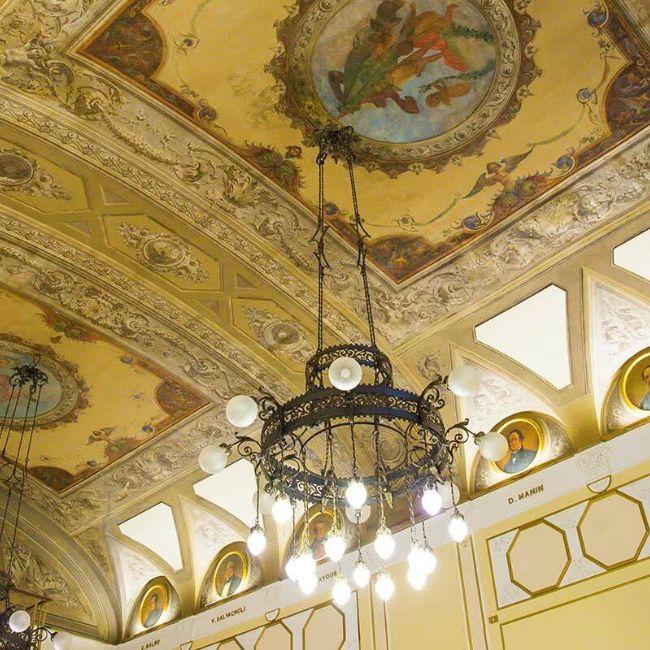
This journey through Tuscan art and culture begins with a rich and revitalising Breakfast at the Bernini Palace Parliament Hall. Once a venue for parliament and senate sessions during the Kingdom of Italy, the hall features a splendid frescoed ceiling.
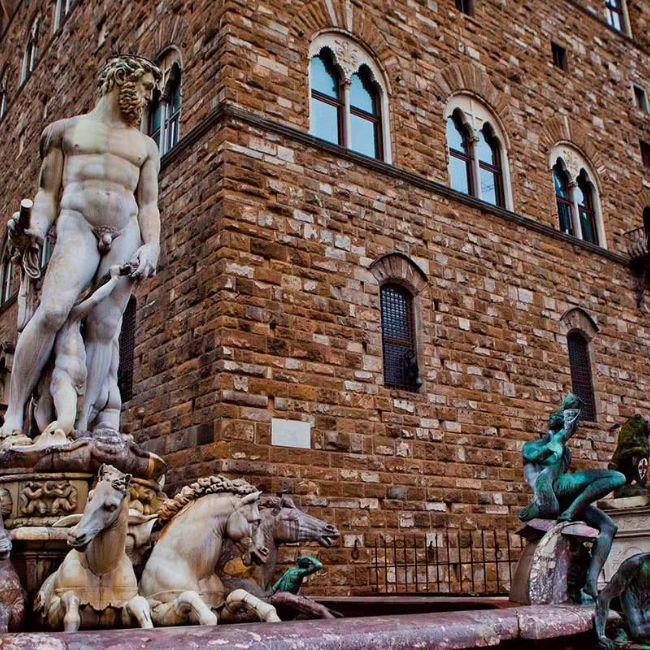
Upon exiting the Hotel, your journey through the beauties of Florence continues with a visit to Piazza della Signoria, cradle of the Renaissance and heart of modern Florence. Here you can visit 14th century Palazzo Vecchio (now home to the Town Hall), with a copy of the famous David by Michelangelo, the adjacent Loggia dei Lanzi. Stop to admire the Neptune Fountain in Carrara marble, along with the equestrian statue of Cosimo I.
This is the square richest in history and monuments and boasts a truly unique past. It is said that during Medieval times it was part of Florence, rich in Ghibelline houses and towers, until the Guelfs seized control of the city and resolved to raze their enemy's houses to the ground in 1260, resulting in modern-day Piazza della Signoria.
You'll catch a glimpse of the world-famous Uffizi as the tour continues. To date it still contains an inestimable and rich artistic-cultural heritage, with works by famous artists such as Caravaggio, Donatello, Botticelli, Giotto, Leonardo Da Vinci and Michelangelo. One of the most famous works at the Uffizi, David, boasts a truly unique history. Historians recount that the masterpiece was actually carved from a block of marble recovered from scrap belonging to the Florence Cathedral, forgotten for over 70 years!
Upon exiting the Uffizi, at the end of the Vasariano Corridor, stop to admire one of Italy's and Florence's most famous bridges: Ponte Vecchio. During the 16th century, Cosimo I de' Medici transformed it into the home of the city's finest jeweller's and goldsmiths. Over time it also became the meeting place par excellence for noble Florentines. Upon crossing the Ponte Vecchio and the banks of the Arno river which flow beneath its bridge arches, the Renaissance atmosphere which revolutionised the city's appearance becomes more palpable. Palazzo Pitti and the Boboli Gardens are examples of this.
This part of the city is cloaked in an endless array of anecdote and legend. Many believe that Palazzo Pitti already existed underground, as material quarries already constituted its foundations, and that it was only a matter of 'lifting' it up to the surface. If we stop to admire the façade, you'll notice two particular stones: the first, over ten metres in length, and the second, barely 30 cm long. Both were commissioned by Luca Pitti as a testimonial of his strength compared to other Florentine families of the time.
Despite this show of great strength, Pitti lost the Palazzo to Piero de' Medici, who constructed a corridor to link Palazzo Vecchio and Palazzo Pitti which to date bears the name of its constructor, Giorgio Vasari, although only the part inside the Uffizi remains.
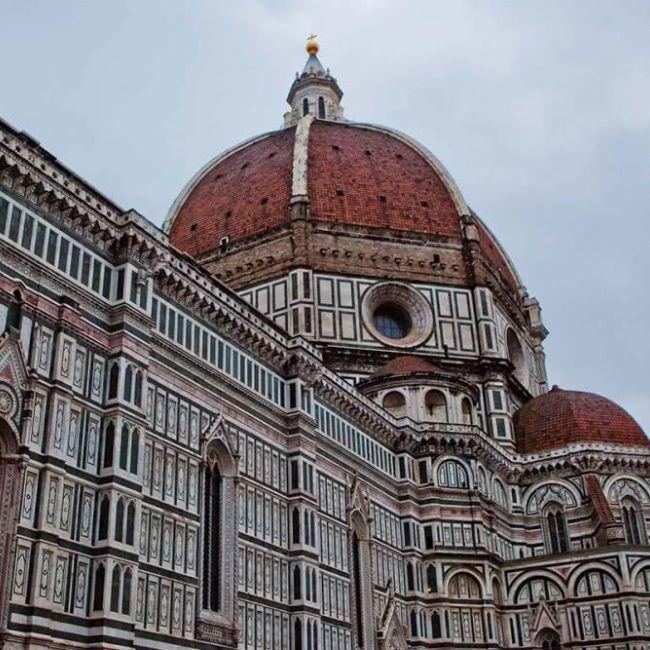
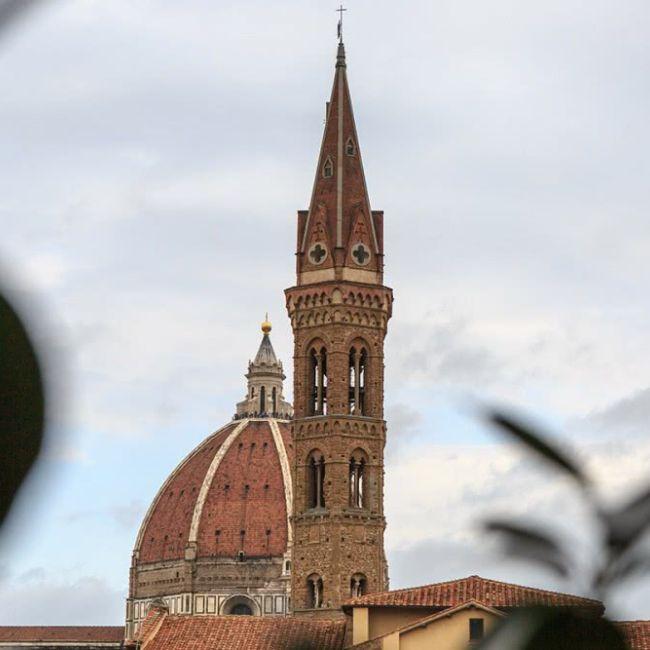
After a relaxing break in the Boboli Gardens which "embrace" Palazzo Pitti, our tour of Florence will end in another symbolic part of the city: the Cathedral, with its dome by Brunelleschi,the tiles of Giotto's Bell Tower, and the adjacent Baptistery of Saint John, with its octagonal structure celebrating the eight day after the seventh terrestrial day, a sign of our eternal salvation. The structure welcomes tourists for all-round views and a chance to stare up in admiration at its mosaics on a golden background, exuding light and majesty.
What better way to conclude a tour of Florentine art and culture, than taking a moment to relax and sip an excellent aperitif at the Bernini Palace Lounge Bar, one of the city's renowned places of aggregation.
The English cemetery is located in Piazzale Donatello in Florence. It was built - as a Protestant - outside the city walls on a hill near the gate at Pinti (now destroyed), at the expense of a company representing the Swiss Evangelical Reformed Church and which had purchased the area from the Grand Ducal government in 1827 to create an international and ecumenical cemetery, also for Russians and Greek Orthodox. Before then, non-Catholics and non-Jews who died in Florence could only be buried in Livorno (at the ancient English cemetery). Carlo Reishammer, then a young architecture student, first designed what was later called the "English" cemetery, with a polygonal enclosure different from the current one[1]. In 1858, a column donated by Frederick William IV of Prussia was erected at the top of the hill, which still marks the intersection between the two main gravel paths that divide the surface into four sectors. In 1860, a further transfer of land is documented to expand the cemetery area which, on this same date, was also enriched with the simple building that still marks the entrance today. The entrance: Giuseppe Poggi gave it its current oval shape when in Florence, which became the capital of Italy in 1865, he demolished the walls and created the ring roads, designing the oval of Piazza Donatello with the cemetery "island".
The cemetery was therefore defined as an elevated area in the centre of the new square, delimited by the two lanes of the new avenues, so much so that, in its isolation, it acquired the nickname "island of the dead", precisely. It was on this occasion that the original polygonal shape was replaced by the current oval plan, more suitable for being touched by road axes. In 1877, since the cemetery was now included within the new city, the Protestant community was prohibited from using the site for new burials (recently resumed), so for a long time the island maintained its nineteenth-century character, which still strongly characterizes it, unchanged: the non-Catholic community from then on began using the Allori cemetery in the Galluzzo area. The burials between 1828 and 1877 had on the other hand led to a large part of the island being saturated, with the construction of 1409 tombs attributable to sixteen different nations, with a prevalence of English (760 tombs), a fact which - together with the practice of identifying Protestants with these - had led to the Florentines defining the cemetery as "English", despite Swiss ownership.
The presence of tombs crowned by statues or other sculpted elements, the irregular arrangement of the burials, the layout of the paths that go up the hill, the presence of a certain variety of tree and shrub species, make the place of great suggestion and absolutely representative of that picturesque dimension that the romantic nineteenth century - and in particular the colony of foreigners who had chosen Florence as their second homeland - combined with the medieval and Renaissance history of the city. Among the interventions that have allowed the cemetery to be preserved over time, we remember the summary but comprehensive one of the structure promoted in cooperative with the Autonomous Tourism Company in 1946 (to repair the damage inflicted by an American bombing), and the many construction sites that in recent decades have intervened on individual monuments and tombstones.
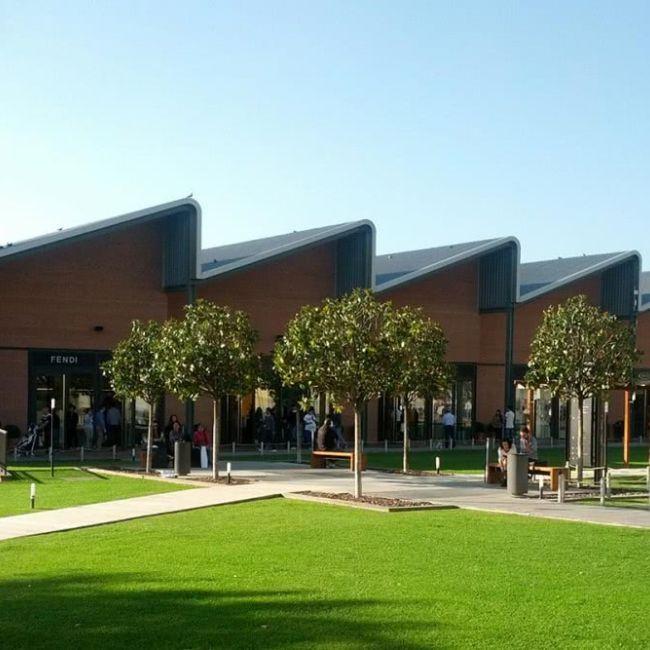
shopping TOUR
Florence is home to the most famous Italian designer brands, as well as a wide range of artisan products, such as gold jewellery, leather and hide clothing and accessories, making it renowned throughout the world for its arts and trades.
Other stories
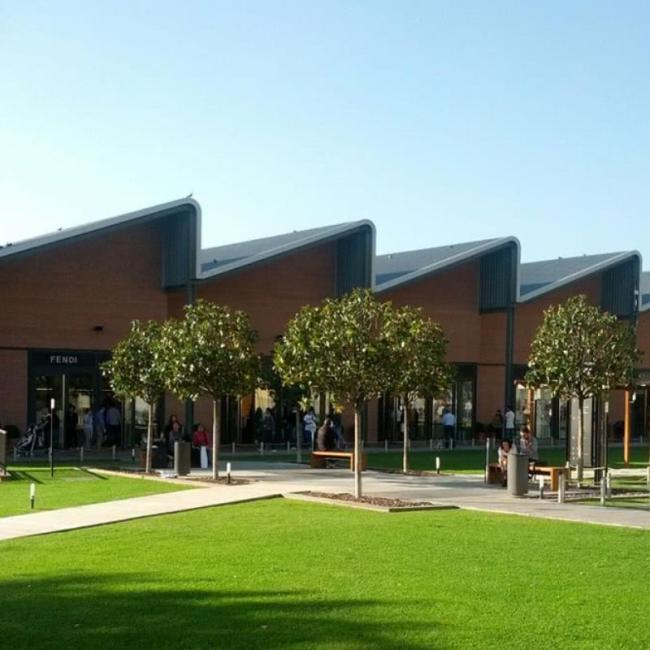
Florence is home to the most famous Italian designer brands, as well as a wide range of artisan products, such as gold jewellery,…
DISCOVER MORE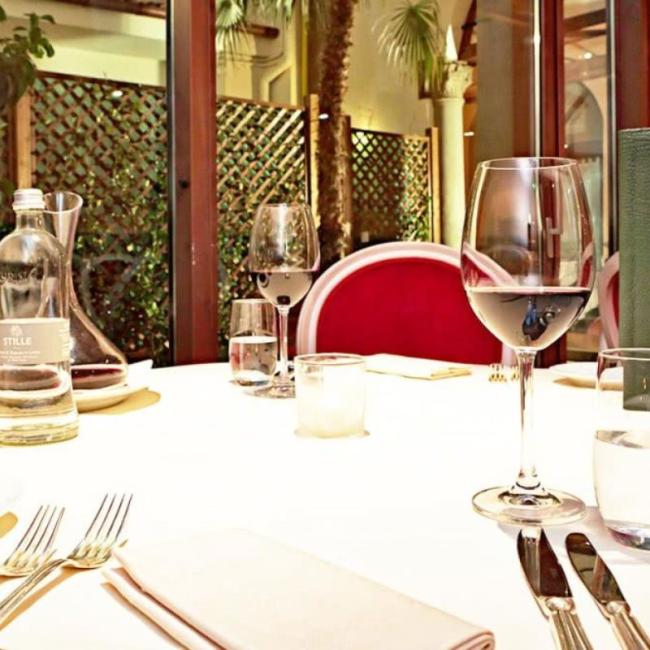
Flavour reigns supreme on this sensory journey of discovery through the aromas of Tuscan cuisine. From Florence to Chianti: every…
DISCOVER MORE
A day in the great outdoors, in contact with nature, just what you need to relax with your children. Why not visit an actual farm?…
DISCOVER MORE
A holiday dedicated to sport and entertainment: Bernini Palace is the perfect starting point and Florence the ideal venue! There i…
DISCOVER MORE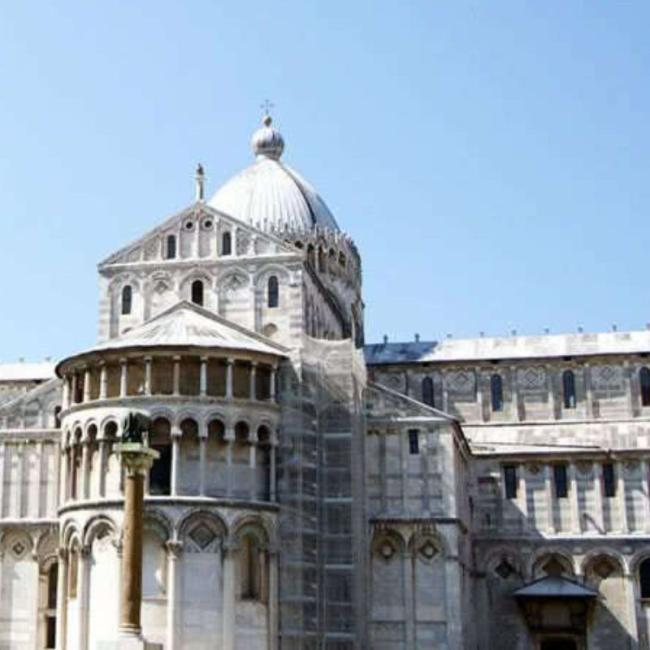
When organising a visit to Florence, it is impossible not to include surrounding Medieval towns, suggestive and relaxing settings…
DISCOVER MORE
Make the most out of your stay in Florence, discover the city's most famous and unforgettable locations and surrounding areas. Sav…
DISCOVER MORE
The Hotel Bernini Palace stands out for its concierge service, led by expert concierges who are members of the prestigious interna…
DISCOVER MORE
In the most iconic part of central Florence, between Palazzo Vecchio and the banks of the Arno, Hotel Bernini Palace welcomes gues…
DISCOVER MORE
Tuscany stands for art beauty, landscape and … delicious food. Even in the heart of Florence, at the Bernini Palace they celebrate…
DISCOVER MORE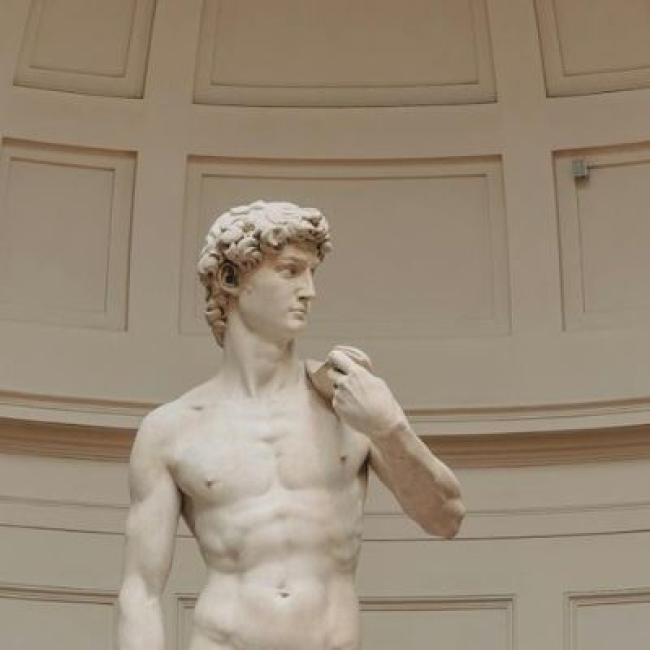
Just a few steps from the Hotel Bernini Palace is one of Florence's most famous treasures: Galleria dell’Accademia, world-famous f…
DISCOVER MORE
Florence has been the center of global significance for centuries. It served as the birthplace of the Renaissance, nurturing the b…
DISCOVER MORE
Florence's Ponte Vecchio is undoubtedly one of the city's most fascinating and iconic spots. Located in the heart of the historica…
DISCOVER MORE
The Florentine Zuccotto is a historical delicacy that has its roots in the time of the Medici family, captivating the palates of g…
DISCOVER MORE
At the Bernini Palace, if you pay attention to the details, you’ll find out a lot about the city’s past. Sniff out the “clues” and…
DISCOVER MORE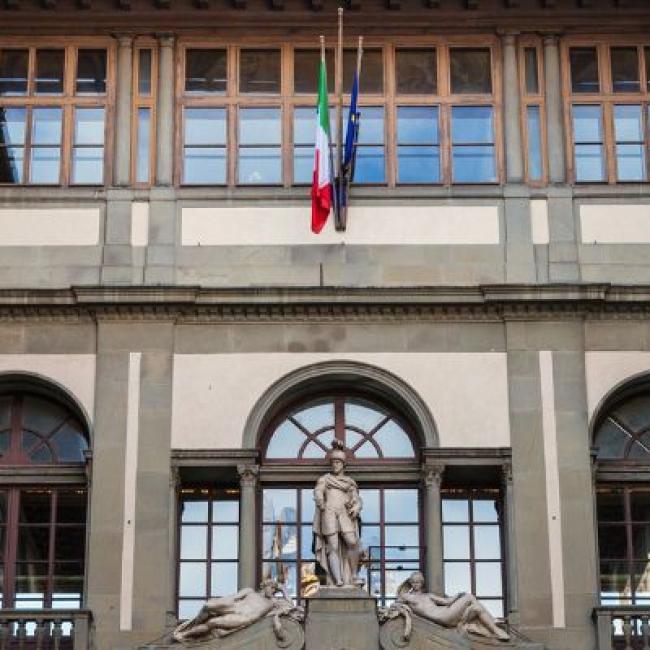
If there is one place that captures the essence and greatness of Italian art, it is surely the Uffizi Gallery in Florence. And amo…
DISCOVER MORE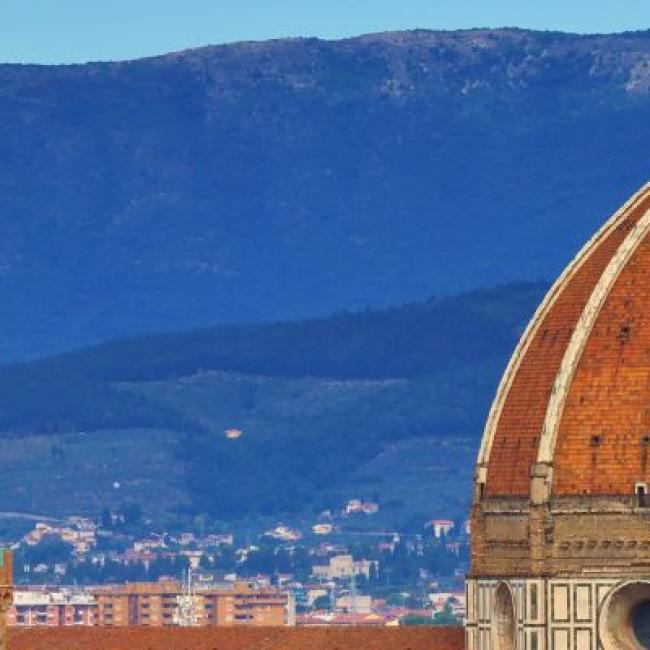
Just a five-minute walk from the Hotel Bernini Palace, Brunelleschi's majestic and iconic dome embodies the genius and ingenuity o…
DISCOVER MORE
Fiorenza within the ancient circle, where she removes again and third and ninth, was in peace, sober and modest. She had no chain,…
DISCOVER MORE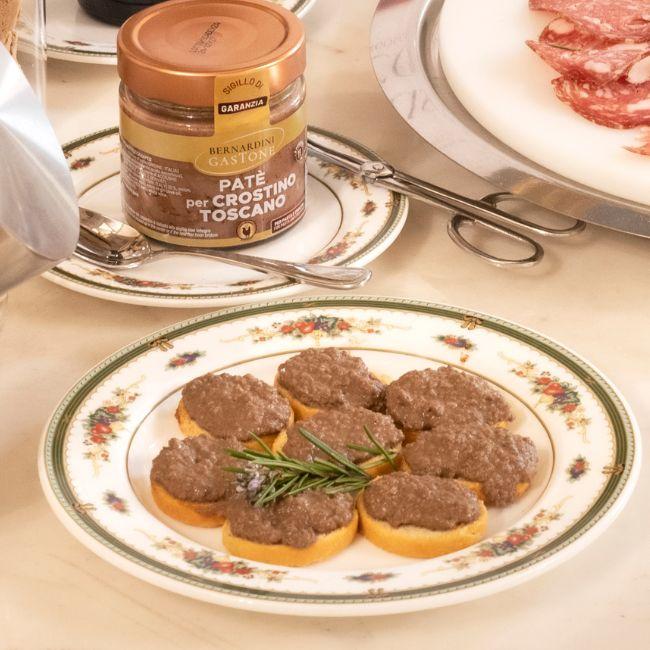
The recipe for Tuscan crostini has very ancient origins. Historians testify that this dish was already present in the banquets of…
DISCOVER MORE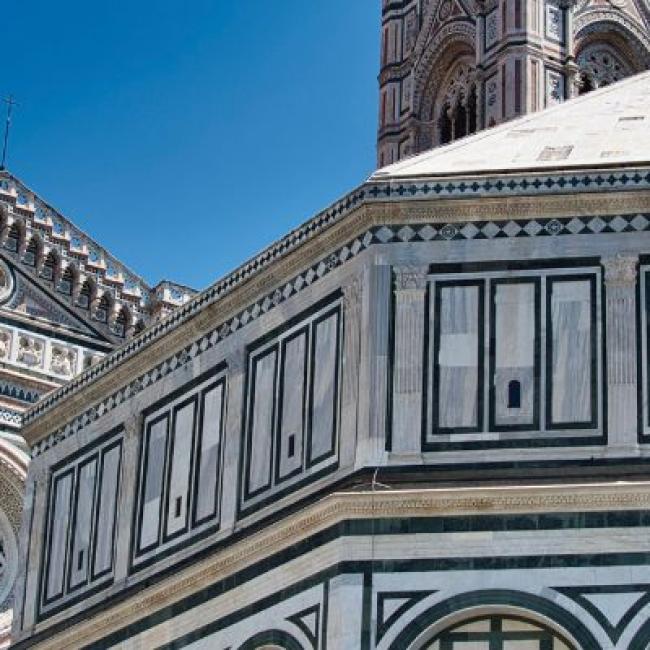
Piazza del Duomo, as well as being the hub of the historic center, has always been the religious heart of the city. Here are the m…
DISCOVER MORE
Taste becomes the protagonist of your sensory journey, to discover the aromas and flavours of Tuscan cuisine! From Florence to Chi…
DISCOVER MORE
Pici are a typical product of Tuscan regional cuisine. They are a type of pasta similar to a rustic spaghetti that is made with wa…
DISCOVER MORE
The Bernini Palace has always been the Florentine home for the big names in international cinema, honegrown and from Hollywood. Ma…
DISCOVER MORE
Among the many reasons to return to visit the Uffizi Gallery an exhibition dedicated to a remarkable work of Leonardo da Vinci's m…
DISCOVER MORE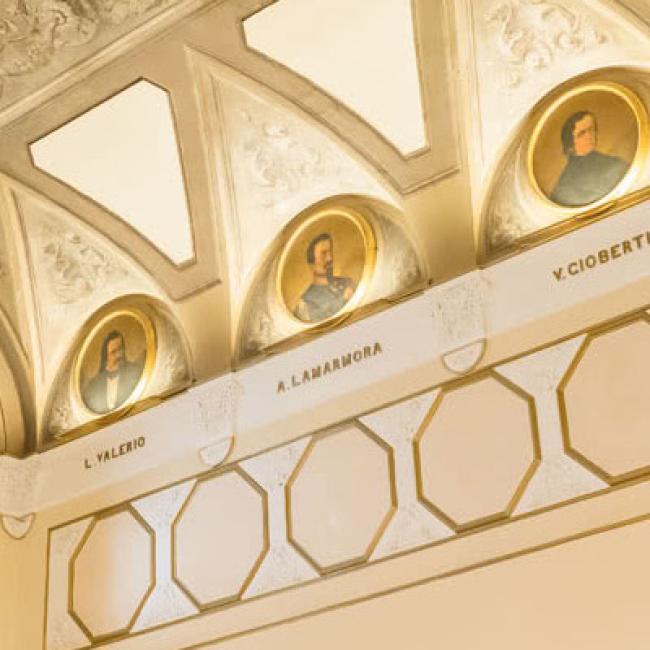
“Christmas is coming, the holiday that more than any other celebrates the pleasure of being together. This is why I wish to thank…
DISCOVER MORE
Lights, street markets, the smell of cakes and confectionery, and glittering shop windows – no doubt about it, Christmas is on its…
DISCOVER MORE
“Tortelli alla mugellana” are an excellent first course made with fresh pasta and stuffed with flavored potatoes, typical of Mugel…
DISCOVER MORE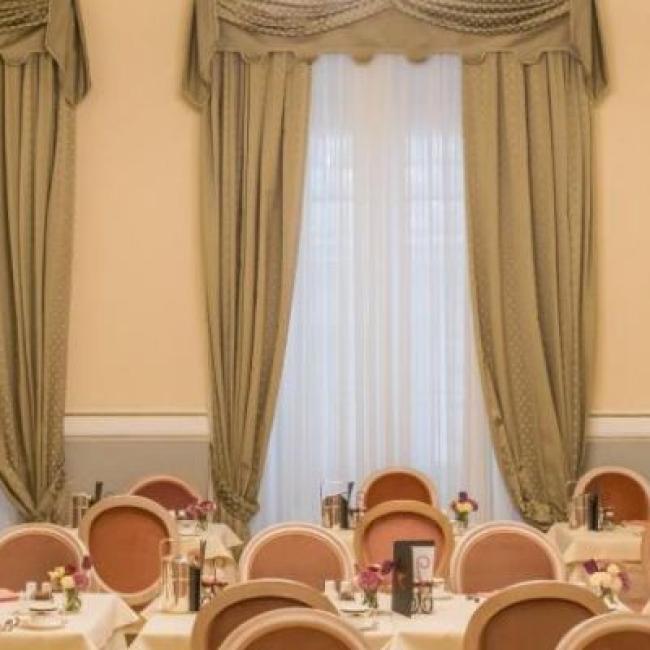
Together, the three of them can boast a total of sixty years practising their profession. For manager David Foschi, waiters Marusc…
DISCOVER MORE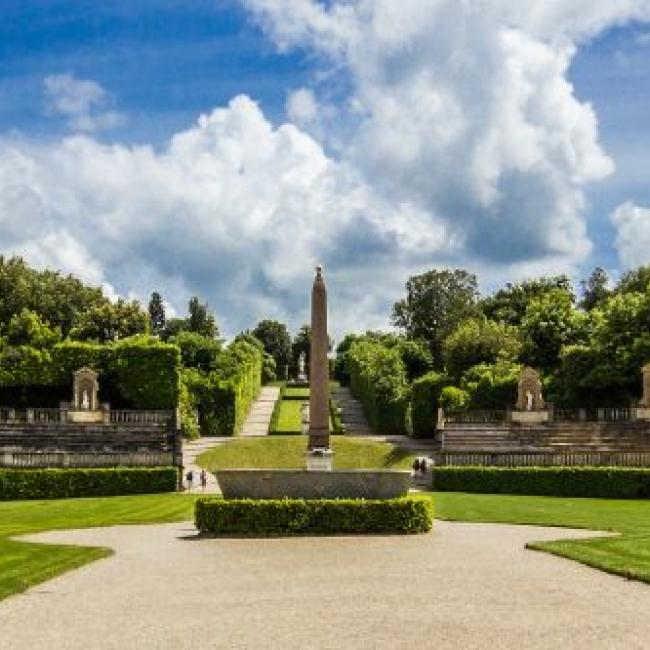
Among the wonders of Florence not to be missed is the Boboli Gardens. Born as the grand-ducal garden of the Pitti Palace, it is al…
DISCOVER MORE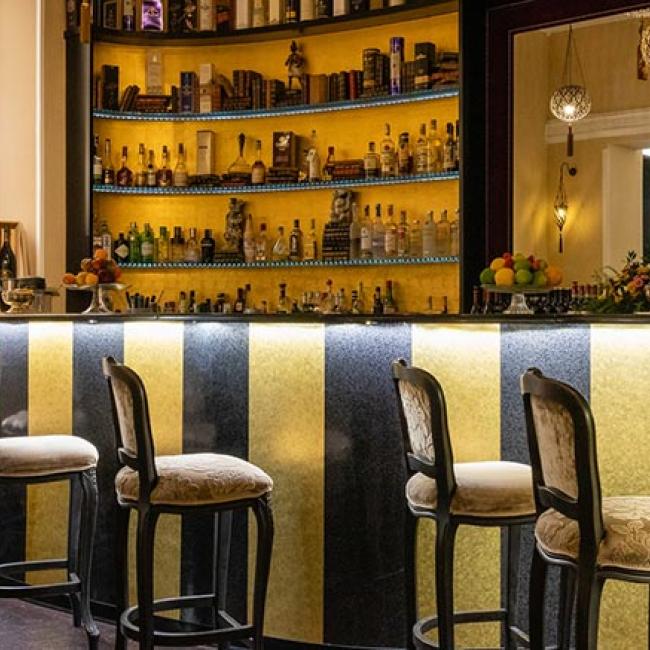
He arranges shifts and purchases, he supervises menus and meetings, and he’s also the Bernini Palace’s Beverage sector quality man…
DISCOVER MORE
Andrea Bischeri is one of the linchpins of this 5-star hotel in Florence. He checks every accounting and fiscal detail with inflex…
DISCOVER MORE
“When we walk into the hotel, we all become the Bernini.” Here Maria Grazia Raimondi tells us how the cleanliness, order and impec…
DISCOVER MORE
Lorenzo Illiberi and Alessandro Beccattini are both members of the select concierge club, Les Clefs d’Or. We interviewed them to f…
DISCOVER MORE
She knows every detail of the hotel, she interfaces with all its teams, and she’s the contact person for guests and travel agencie…
DISCOVER MORE
Behind the scenes at Florence’s five-star hotel is an ever-present figure, the manager, who is the pillar of the whole place. Davi…
DISCOVER MORE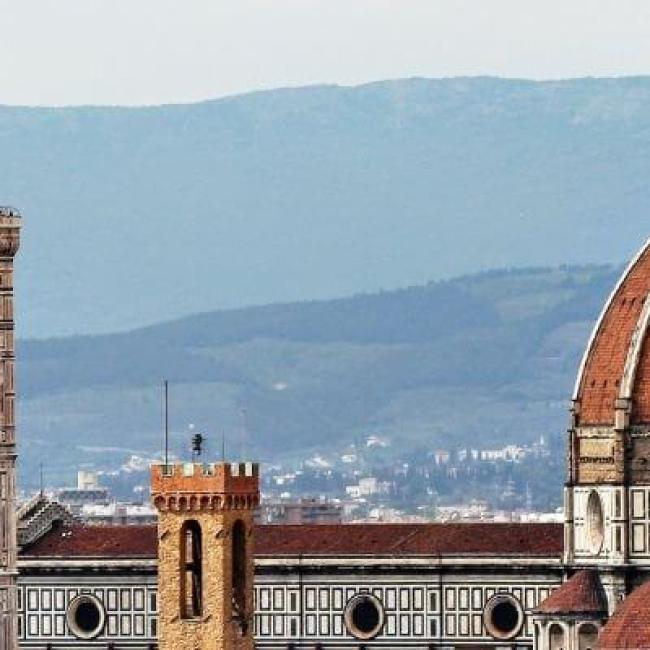
“A ‘Renaissance’ Christmas in a city of art and culture. The Bernini Palace in Florence is looking forward to celebrating the fest…
DISCOVER MORE
During the winter holidays the capital of the Renaissance lights up with magic. Especially if you soak up the atmosphere as guests…
DISCOVER MORE
Here we are, back at the Bernini Palace in Florence: after entering the hall, we walk up the grey sandstone stairs to the upper fl…
DISCOVER MORE
The manager of the Bernini Palace David Foschi knows his hotel’s every secret. Starting from the cooking, the pride and joy of a h…
DISCOVER MORE
The Bernini Palace in Florence, a treasure trove of art and history with lots of stories to tell, offers guests an immersive exper…
DISCOVER MORE
Florence was one of the main stops on the Grand Tour, the long journey to Italy that European aristocrats undertook in the 18th an…
DISCOVER MORE
“At least once a day, every day, since September 10 1979, I’ve thought about that memorable concert, arguably the best, certainly…
DISCOVER MORE
In Florence every stone, every bridge, every building tells a story. Figures such as Leonardo Da Vinci, Lorenzo De' Medici, Michel…
DISCOVER MORE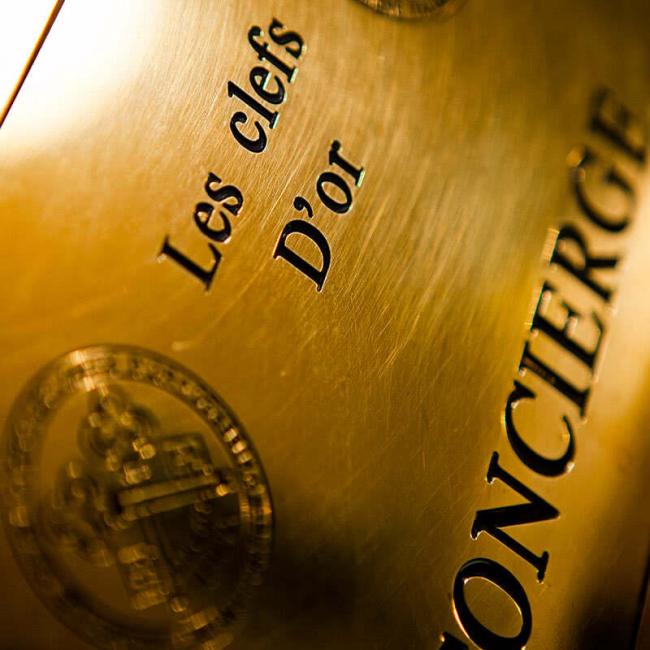
A small but important and revealing detail: the two Concierges at the Bernini Palace in Florence wear a badge in both lapels of th…
DISCOVER MORE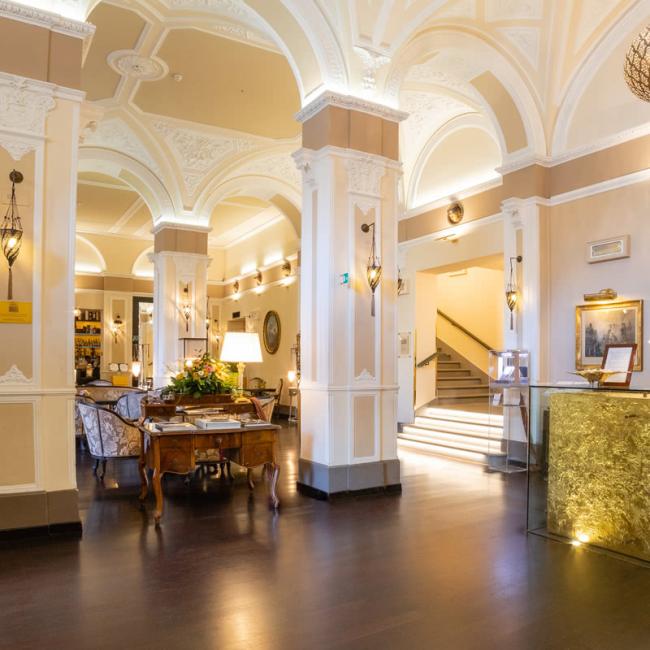
Art has always been at the forefront in Florence and the same is true of the so-called “seventh art”, film. There has always been…
DISCOVER MORE
The Bernini Palace reopened in Florence in May and guests are now back to stay in the structure. In the meantime, in recent months…
DISCOVER MORE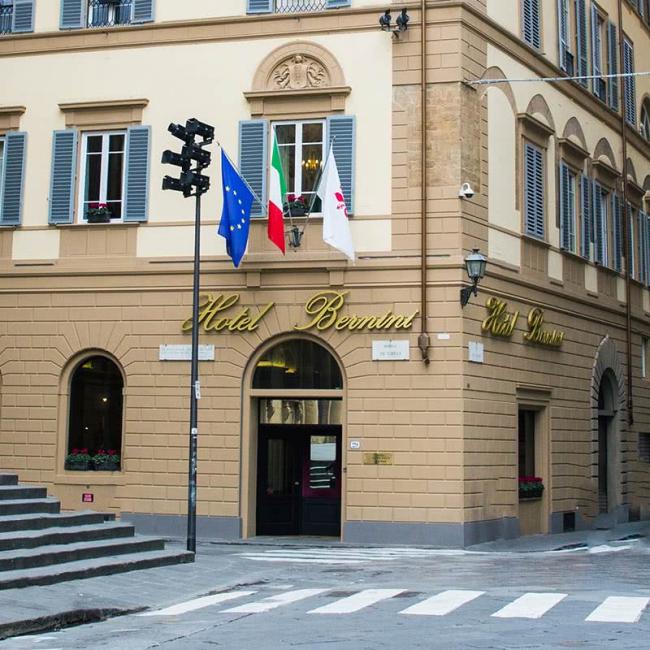
Think of the city of Florence and you immediately think of Dante. Especially if you’re staying at the Bernini Palace, in the heart…
DISCOVER MORE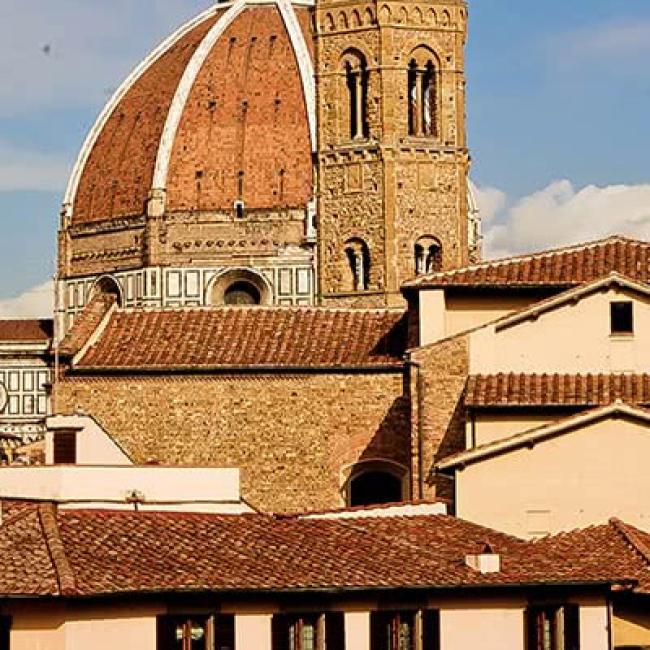
One of the symbols of the Florentine hotel industry is reopening at last. From May 5, the Bernini Palace will be offering its hosp…
DISCOVER MORE
Like a magnet charged with energy and dynamism, Florence has always been a hub for cultural events. Likewise, a stone’s throw from…
DISCOVER MORE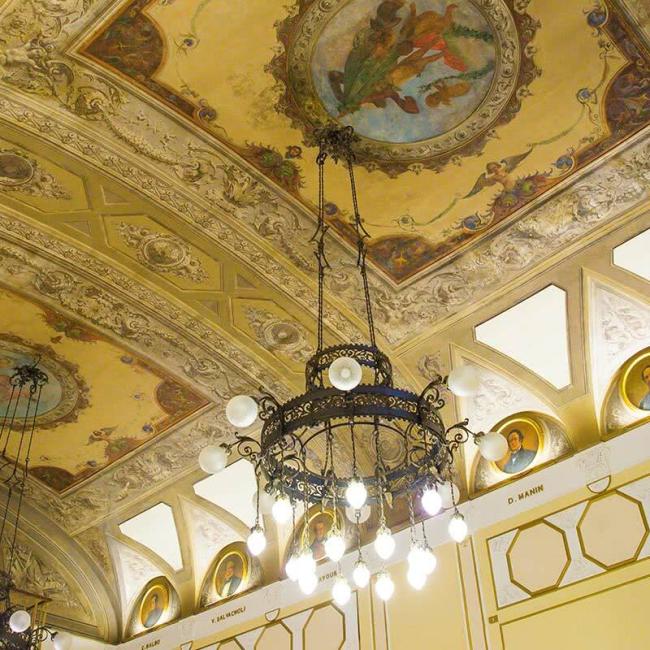
It’s not every morning that one has breakfast between the pages of a history book. But that’s precisely what will happen to you in…
DISCOVER MORE
Many celebrities of yesteryear and today have visited the Bernini Palace, and it's easy to understand why. Set in the heart of Flo…
DISCOVER MORE
Outside the Bernini Palace, on a marble plaque of the wall, we can read this line of the Paradise poem of Dante: "Nel picciol cerc…
DISCOVER MORE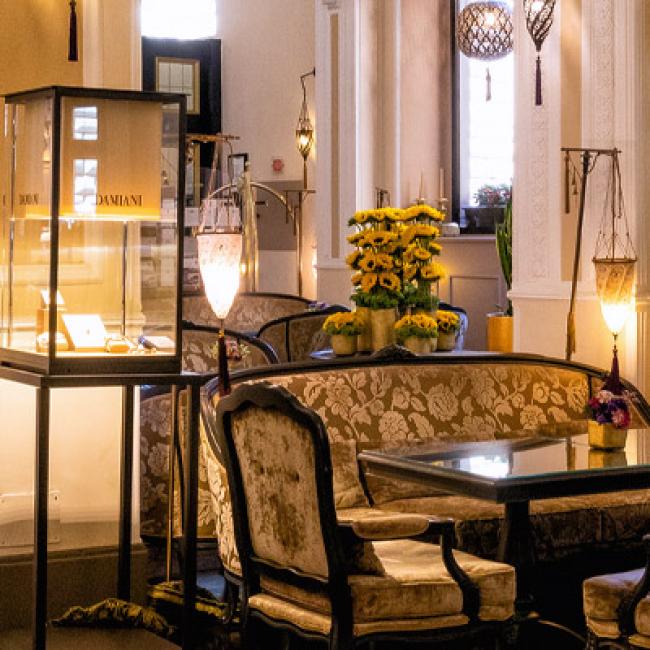
The Bernini Palace Hotel is opening its digital doors. At the entrance David Foschi is welcoming the blog’s visitors, he is the Ge…
DISCOVER MORE